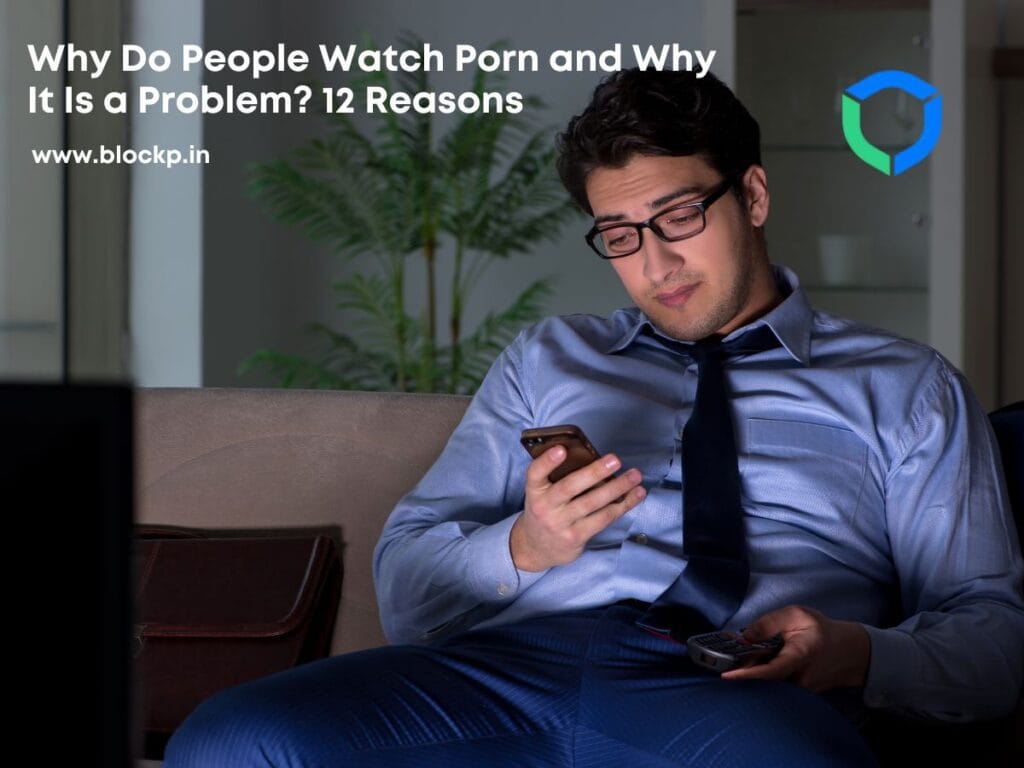
Why Do People Watch Porn and Why It Is a Problem? 12 Reasons
Why do people watch porn? The question looks simple enough. The purpose of porn is to create sexual arousal, so people must be watching porn for sexual arousal and pleasure. It is definitely the primary motivation for watching porn. But, the answer to the question of why do people watch pornography contains more nuances. For instance, some people rely on porn to make up for the sexual dissatisfaction in their real-life relationships. Adolescents might look at porn to understand sex and to learn about their sexuality rather than achieve sexual pleasure. Some people use porn as a crutch to deal with challenging emotions. For some, porn is habitual – just a part of their routine. When you see these complex answers to the question, why people watch porn? You understand that not all of these reasons are healthy. For someone who is self-aware, porn can be a healthy avenue for exploration. But for an adolescent, early exposure to porn increases the risk of risky sexual behavior and sexual violence. For someone with mental health issues, the shame of porn can create a vicious cycle of addiction. If you rely on porn for sexual satisfaction, it can make your intimacy and relationship issues worse. So, in order to quit porn or help a loved one to stop watching porn, you should understand why do people watch porn. What is Pornography? Pornography is the representation of sexual behavior with the express intention of arousing sexual excitement. Porn can be in the form of images, text, video, or art. The word pornography originated from the Greek word pornographos, which means – “writing about people who engage in sex acts for pay.” But, the definition of pornography is highly subjective. For instance, western culture shows greater acceptance of erotic imagery in mainstream movies and TV series. Similarly, suggestive and graphic images have also become more acceptable in advertising and social media over time. Most importantly, what is sexually arousing to an individual is highly subjective. So, a piece of art or writing might be sexually arousing for a person and be classified as erotic (aesthetic) by another one. 12 Reasons Why Do People Watch Porn? Thanks to the internet, our porn consumption is on a hyperdrive. Statistics show that every month, more people visit pornographic sites than mainstream pages like Amazon, Netflix, OpenAI, and Zoom. Studies have also shown that 65% of non-Christian men and 64% of Christian men in the U.S. look at porn at least once a month. Pornhub – the leading adult website, reports more than a billion visits a month. These alarming statistics raise the question – why do people watch porn? What factors (psychological or otherwise) make people watch porn? 1. Sexual Pleasure The pursuit of sexual arousal and pleasure is the leading cause of pornography use. Pornography’s express purpose is also to manifest this effect. Most people use pornography as an aid for masturbation to achieve sexual release. It is a private and quick avenue for sexual satisfaction when people lack intimacy. Pornography is also used in partnered sex as a tool for amplifying the experience. The Internet plays a major role here by providing instant and easy access to porn. The visual nature of pornographic content online makes it a highly effective mechanism for sexual gratification. In extreme cases, pornography can become the primary source of sexual pleasure rather than partnered sex due to ease of availability. 2. Sexual Curiosity and Exploration When you look at why do people watch porn, Sexual curiosity is another major motivator For adolescents and teenagers, porn is a medium of self-education and sexual exploration. Research shows that both men and women have an equal drive when it comes to using pornography to learn about sex and their sexuality. Sex is generally a taboo topic, and most adolescents do not have access to comprehensive sexual education. So, most youngsters might find porn as a no-pressure and no-judgement space for exploring their sexual understanding. In this case, the purpose of pornography is informational rather than sexual gratification. 3. Addictive Habit Pornography can have an addictive effect on your brain. When you watch pornography, neurochemicals such as dopamine, oxytocin, and serotonin are produced. These chemicals give your brain a sensation of a ‘high’ similar to other addictive substances. Moreover, pornographic content is hyper-stimulative by design. So, your sensation of pleasure by porn is much higher. When your brain frequently experiences these neurochemicals, it develops a tolerance. So, over time, your craving to watch porn increases in order to experience a similar pleasurable sensation. You will find it hard to quit porn as the natural stimulation of real-life sexual activity can not match the synthetic pleasure of porn. 4. Emotional Regulation Stress relief or coping with strong emotions is often stated as the reason for why people love pornography. Many people use porn as a defense mechanism to manage their stress and anxiety. Porn can become a crutch for mood regulation and emotional distraction. But porn can only provide temporary relief and result in a habitual cycle of harmful emotional suppression. Research has found strong links between the use of pornography as a coping mechanism and the development of Problematic Porn Use (PPU) habits. So, in this case, emotional regulation or suppression is the primary motivator, and sexual pleasure becomes an incidental one. In effect, pornography replaces any addictive substance. 5. Fantasy and Escapism The fantasy and escapism of porn can become a temporary escape from the drudgery of daily life. This is one of the main reasons why people love pornography. Porn relies on unattainable and idealized depictions to lure the watcher. The exaggerated and choreographed imagery in porn creates a stark contrast from the complications of real-life relationships. It often deals with taboo practices and creates a sense of thrill and adventure. The escapism of porn would be highly appealing to people who are dissatisfied with their real-life relationships. It also creates a scenario where people develop unrealistic expectations about sexual relationships.